Real Estate Brand Strategy Guide 2026: How Great Brands Sell Before the Sales Team Does
Real estate branding is the strategic process of positioning a property project to build buyer trust, differentiate it from local competitors, and improve sales velocity through consistent messaging, visual identity, architectural storytelling, and customer experience. According to market analysts, branded residential developments command a 10% to 15% price premium and close sales up to 30% faster than unbranded equivalents.
Property markets are not about just bricks and mortar. Today’s buyers are brand conscious and do not just buy developer-ready realty, but the image and reputation of the realty developers.
The Indian realty business has transitioned away from aggressive sales tactics, focusing instead on real estate branding to attract buyers and establish trust. Thus, in a competitive realty market flooded with high-rises, brand value has turned out to be the deciding factor between success and failure. The transition from aggressive sales to winning buyer trust is one of the most vital transformations in the market, positioning real estate branding as an indispensable competitive edge for developers.
What Is Real Estate Brand Strategy?
Many real estate leaders make the mistake of reducing branding to just the logos and colors used in a sales campaign. However, an effective brand strategy goes far beyond the rudimentary aspects of visual design to focus on understanding the entire project lifecycle, the micro-market ecosystem, and its unique value proposition to buyers. In other words, a brand strategy should be regarded as an operational process that focuses on communicating the intrinsic value of a project to prospective buyers to gain their trust.
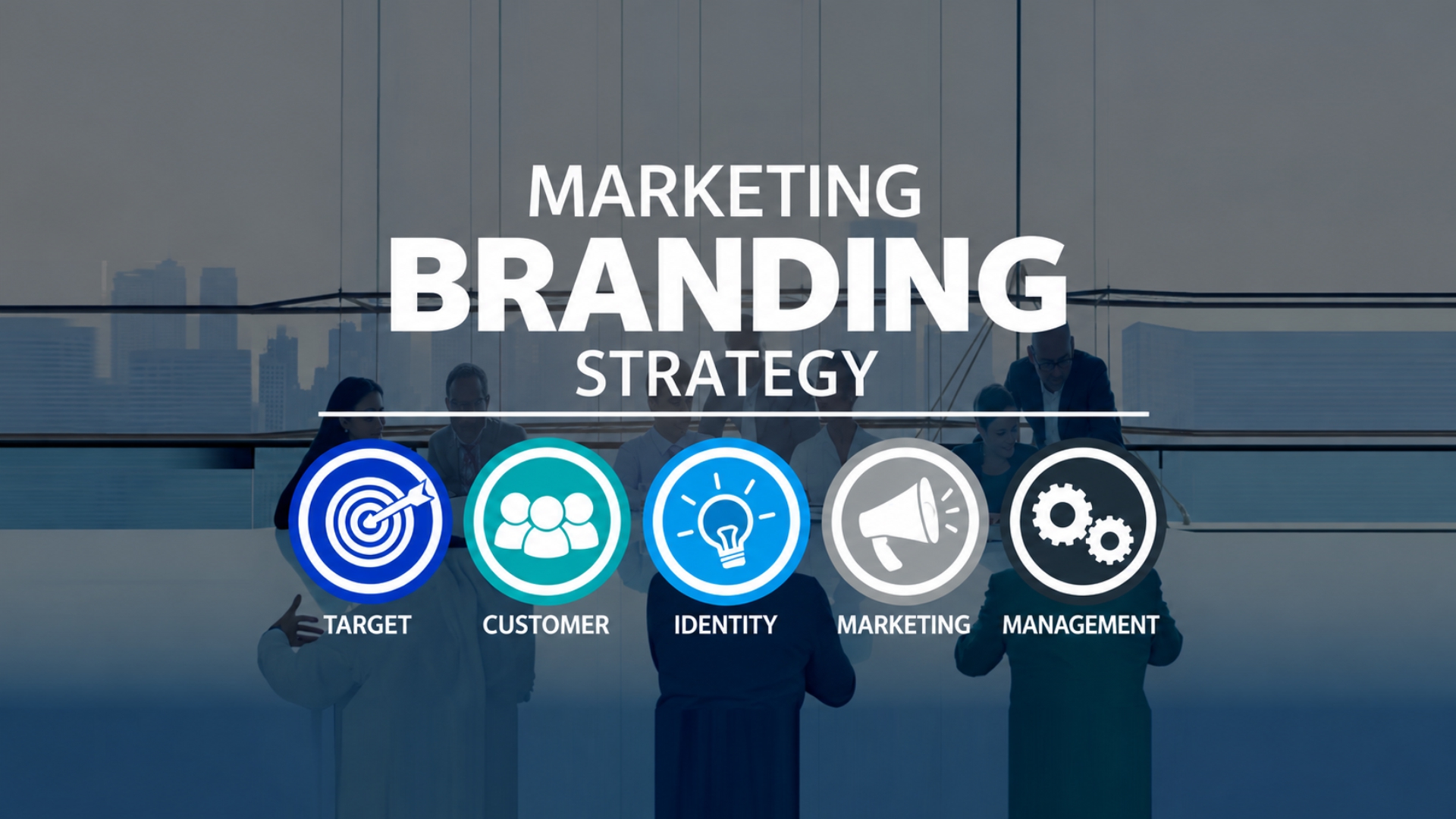
At a deeper level, a robust brand strategy unifies several key aspects of a project, as outlined in the Zurich Graphics 5-Stage Real Estate Branding Framework:
- 1Audience & Micro-Market Research: Analyzing local buyer demographics, joint family involvement dynamics, and conservative financial planning constraints.
- 2Strategic Brand Positioning: Defining the unique selling point (USP) to clearly distinguish a luxury residential tower from an affordable housing scheme.
- 3Unified Visual Language: Aligning color palettes, architectural themes, and sales collateral design under a single brand architecture.
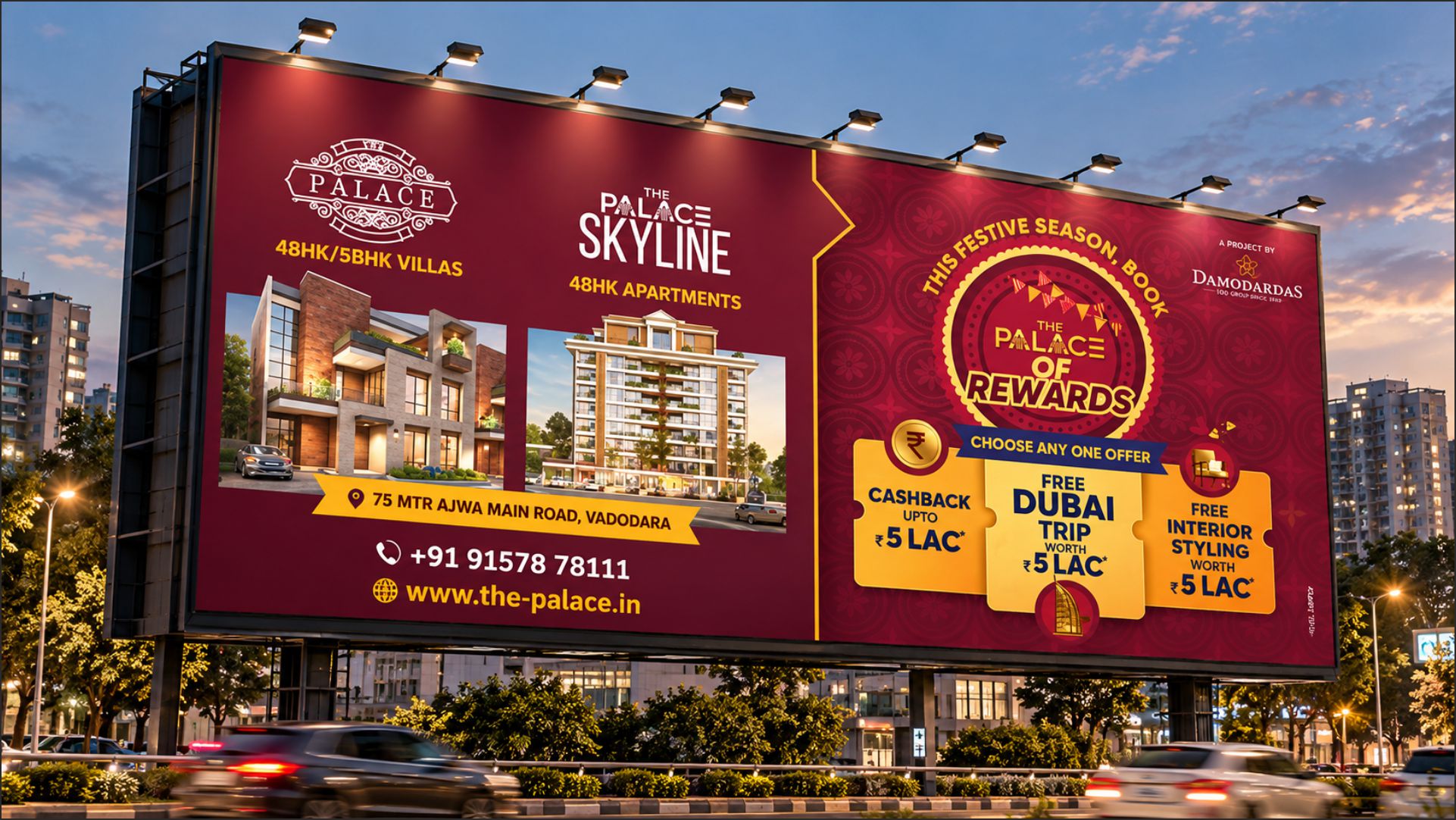
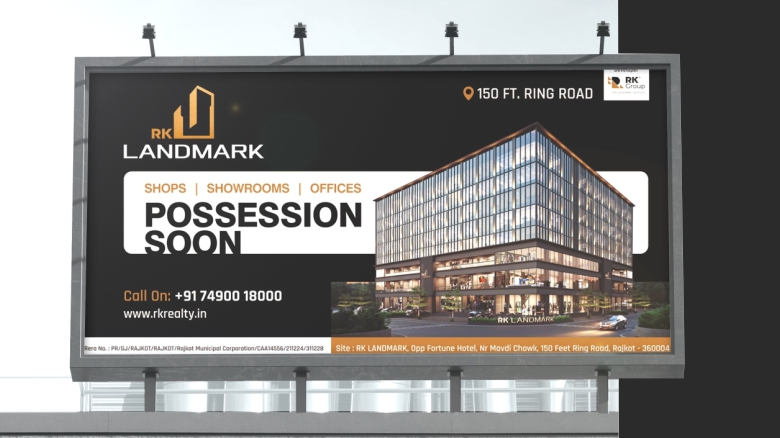
- 4Omnichannel Execution: Deploying cohesive assets across digital platforms, outdoor site hoardings, print media, and experiential sales pavilions.
- 5Sales Enablement & CRM Integration: Equipping sales teams with brand stories and digital interactive displays to shorten the purchase cycle.
A closer look at the anatomy of a strong real estate brand strategy shows how brand positioning and market perception come together to influence buyers’ decision-making. A property purchase decision is an intensely emotional process that is rationalized to convince family members that the proposed purchase is a secure investment. Thus, when a buyer views a display model of an under-construction tower or a plot development, the buyer is sold on the comfort, convenience, and assured value that the developed residential unit offers. In brand positioning, several key aspects are taken into account to create a unified approach to selling the project, starting with color schemes, architectural renderings, and brochure layouts, among others. Thus, if the brand strategy is not unified, the project may find it challenging to create its unique space in the intensely competitive realty market, leading to slow sales velocities and, consequently, lower profit margins for the developer.
Relevance of Branding in 2026
The Indian realty market is booming by the day. According to market insights from leading research firms, India’s real estate market valuation is projected to cross USD 585 billion, driven by rapid urbanization, rising middle-class aspirations, and structural reforms like RERA. With an increasing supply of residential high-rises and commercial complexes, competition for buyers is fiercer than ever.
In 2026, digitally-savvy buyers spend weeks comparing floor plans, municipal approvals, and builder credentials online before ever stepping foot into a sales office. Therefore, implementing a robust real estate brand strategy is vital.
In 2026, buyers can easily navigate online portals, virtual reality walkthroughs, and social media channels to compare different residential projects. As such, developers need to implement strong brand strategies to make a lasting impression on the target audience. In 2026, brand strategies are more critical for several key reasons:
- Brand positioning helps distinguish one project from another in an intensely crowded market.
- A strong brand strategy aids in creating positive buyer perceptions around a project long before construction is completed.
- Brand positioning ensures that buyers have faith in the developer, thus facilitating faster pre-launches and sales of the project.
- In a busy digital space, a strong brand strategy can help keep the project on buyers’ radars, thus shortening the time that a project spends on the books before being sold out.
What Real Estate Branding Agencies Do
Zurich Graphics helps connect buyers’ emotions with a real estate scheme by providing strategic branding services to realty developers.
A professional real estate branding agency for builders, architects, and developers conducts extensive brand positioning and research to come up with effective project names, unique selling points (USPs), and brand guidelines that can be used as the foundation for building a strong brand identity for the project. The branding experts also develop compelling sales collaterals and implement a robust launch strategy that can help sell the project faster.
An effective look at what real estate branding agencies do demonstrates how a competent real estate branding agency in India can help developers achieve their marketing objectives. A professional real estate branding agency would develop a brand strategy that is founded on extensive research on the needs of the target audience. Thus, the experts would conduct extensive research on target buyers’ demographics, including their preferred housing schemes, financial comfort zones, and lifestyle preferences, before developing a robust brand positioning strategy. In addition, branding experts utilize their network to produce appropriate branding collaterals, such as coffee table books, cinematic video walk-throughs, and interactive sales presentations, that effectively position the project in the target market.
Unlike general advertising firms, specialized property branding agencies navigate the complex intersection of RERA compliance guidelines, local channel partner networks, and regional buyer psychology. By handling everything from print production to site branding and digital landing pages, a specialized partner ensures complete visual and strategic uniformity across every customer touchpoint.
Key Elements of Residential Project Branding
Unlike branding for corporate entities, residential project branding requires developers to create a micro-cosmos around the project to influence the perceptions of the target audience. Residential project branding entails developing a strong identity and brand positioning strategy for the project.
Other than developing a strong identity and positioning strategy, residential project branding also includes developing a strong brand story that is told through the use of compelling visual art, such as high-definition videos, architectural brochures, and immersive presentations. Residential project branding also entails developing attractive show flats, branded experience centers, and robust digital presence tools, including responsive websites, landing pages, and directional signage. As such, residential project branding encompasses all aspects of a project’s presentation that can be used to woo potential buyers.
Developers need to consider residential project branding to ensure that they can effectively market their project and facilitate faster sales. For instance, when a prospective buyer walks into a sales pavilion, the developer’s sales team should be able to engage the visitor in a conversation about the proposed purchase, based on the themes, narratives, and color palettes used in the show flats and sales pavilion. With the use of advanced technology, such as interactive digital displays and touch-screen kiosks, the sales team can share the brand story with the prospective buyer using compelling visual displays that help shorten the sales cycle, ultimately helping the developer realize faster returns on investment.
Aspects to Consider When Choosing a Real Estate Branding Agency

Choosing the right branding agency is critical to meeting the branding and marketing objectives of a real estate project. Choosing the right agency involves identifying agencies with relevant industry expertise and a competent team of branding experts. Developers considering hiring the services of a branding agency need to conduct extensive due diligence on the following aspects before finalizing their choices:
- Industry Specialism: Choosing a branding agency with extensive, exclusive experience in the real estate sector is critical to ensuring that the agency understands property cycles and buyer psychographics.
- Strategic Depth: Choosing a branding agency with a deep understanding of RERA guidelines, sales cycles, and buyer psychology is key to ensuring that the agency has a sound strategy to facilitate faster sales.
- Creative Storytelling: Developers considering the services of a branding agency need to ensure that the agency has extensive experience in developing high-end brand collaterals and immersive design narratives.
- In-House Capabilities: Developers need to be wary of agencies that outsource most aspects of their operations. In-house expertise in 3D rendering, copywriting, and media planning ensures quality control.
- Long-Term Partnership: Agencies with extensive experience in residential project branding understand that their role extends beyond brand positioning to facilitating long-term sales velocity.
In most cases, developers considering the services of real estate branding agencies turn to an experienced regional partner like Zurich Graphics, a property branding agency in Gujarat, India, that has decades of sector-specific experience and has delivered exceptional results across residential and commercial developments.
When considering a shortlist of potential branding agencies, developers need to conduct extensive due diligence to understand the strategic approach that various agencies use in residential project branding. Developers must remember that many agencies use flashy portfolios to woo potential clients while failing to provide relevant services that address the specific local needs of a project. As such, it is essential to consider a branding agency that is willing to conduct rigorous micro-market research to identify the most effective ways of positioning a project.
How Effective Branding Creates Long-Term Value
Many developers overlook the importance of branding, especially when considering the amount of money spent on marketing and sales activities. Effective branding can create significant long-term value for a developer.
First, effective branding can significantly increase revenues and profits, as demonstrated by the ability of brand positioning to help projects command higher price points while remaining attractive to buyers. In addition, effective branding can shorten the time that a project spends on the books, helping developers realize faster returns on investment. Effective branding also facilitates faster sales because channel partners are inherently more likely to market a project with a strong, trusted brand presence.
Moreover, effective residential project branding creates high brand recall, meaning potential buyers will always think of the developer when considering property purchases in the future. As such, effective branding ensures that a developer’s future projects enjoy an inherent market advantage over similar developments in the locality. Effective branding ultimately helps developers maximize profit margins on every single project they undertake.
Real Estate Brand Positioning: What Leading Real Estate Brands Have in Common
Many successful companies share similar attributes that have enabled them to achieve superior market positioning. Leading realty developers have a lot in common:
- Consistent Positioning: Successful realty developers maintain a strong brand positioning strategy consistently across different project categories and price ranges.
- Strong Visual Language: Leading realty developers use a distinct visual language that identifies their projects instantly, including signature color schemes and imagery.
- Effective Storytelling: Leading realty developers use narrative-driven branding to tell a compelling story about lifestyle, comfort, and community.
- Absolute Market Credibility: Top realty developers utilize a combination of emotional appeal and superior market credibility, ensuring exceptional customer experience from initial advertisement to final possession.
Learning from Real Estate Branding Success Stories
Several real estate branding case studies demonstrate the critical role that branding plays in positioning a project within the target market and facilitating faster sales:
- Successful Re-launching of Stalled Projects: Many developers have utilized repositioning strategies to revive stalled projects and have recorded significant sales surges after tweaking branding narratives.
- Effective Use of Pre-Launch Teasers: Developers utilize pre-launch teasers to generate curiosity, using the pre-launch phase to establish value propositions.
- Shifting from Affordable to Luxury Developments: Developers shifting from affordable housing to luxury schemes must invest in revamping every element of their brand strategy.
- Standing out in Competitive Markets: Developers in crowded localities utilize brand positioning to identify competitor weaknesses and highlight their own unique advantages.
Frequently Asked Questions
What does a real estate branding agency do?
A real estate branding agency researches target audiences, defines project positioning, develops visual identities and sales collaterals, and manages launch strategies to accelerate property sales.
Why is branding important for builders and developers?
Branding establishes psychological trust among buyers, differentiates a project from dense local competition, supports higher price points, and significantly shortens sales cycles.
What is residential project branding?
Residential project branding is the creation of a distinct emotional and visual identity around a housing development to attract, engage, and convert high-intent prospective buyers.
How much does it cost to brand a real estate project in India?
Real estate branding costs vary based on project scale, asset class (luxury vs. affordable), and the scope of collateral required, ranging from basic visual identity packages to comprehensive omnichannel campaign management.
How do you choose a real estate branding agency?
Developers should evaluate agencies based on real estate portfolios, RERA familiarity, in-house production capabilities, and proven success in accelerating property absorption rates.
What is the difference between a property branding company and a marketing agency?
A property branding company focuses on core brand positioning, identity, and narrative creation, whereas a performance marketing agency primarily focuses on driving digital leads and ad conversions.
Do You Need Help With Branding?
Partnering with an experienced team like Zurich Graphics allows developers to take an honest look at their current branding strategy and determine if they need professional assistance by asking themselves key diagnostic questions:
- Can prospects distinguish my project from other similar developments in the locality?
- Are my sales team’s presentation materials consistent with the branding guidelines for the project?
- Can prospects describe the project brand in one sentence?
- Is my project’s image consistent with the target audience and property category?
- Do my sales teams fully understand how to utilize the branding guidelines to sell the project?
If any of these responses reveal gaps in your current marketing approach, it is time to upgrade your brand strategy. Contact Zurich Graphics today to discuss your upcoming residential or commercial development.